Consumer Psychology in China: Lessons for Gulf Marketers
InternationalBusiness
Dec 12, 2025
What Gulf marketers must change to win in China: prioritize trust and quality, localize content, use WeChat/Douyin, and adopt mobile and live-stream strategies.
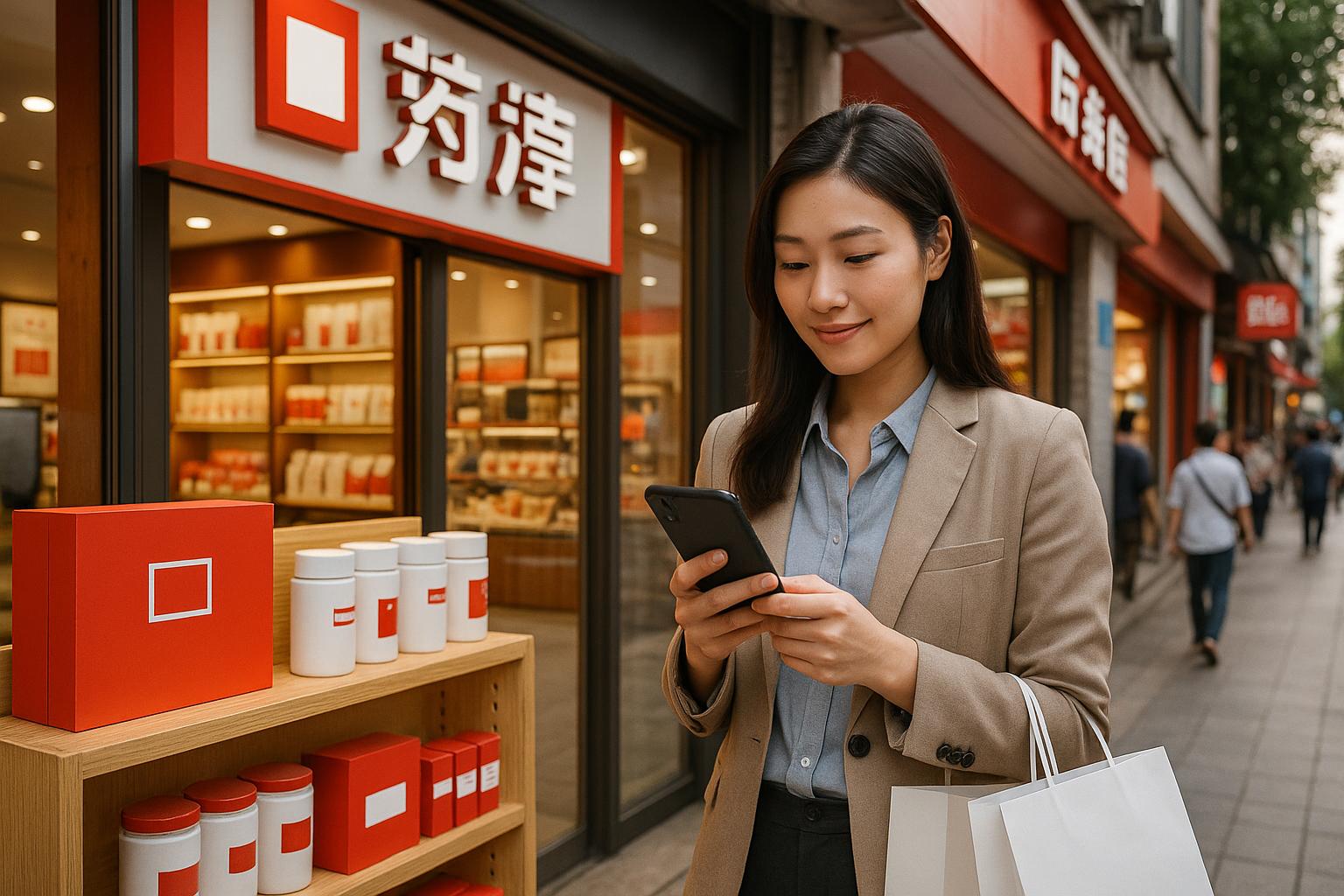
Chinese consumer behavior is complex and driven by distinct preferences, making it vital for Gulf marketers to rethink their strategies before entering this market. Here's what you need to know:
Shifting Priorities: Chinese consumers value quality, trust, and emotional connections over flashy campaigns or discounts. For example, 78% prioritize brand reputation, and 66% are open to paying more for sustainable products.
Digital First: With 76% preferring online shopping, mobile platforms like WeChat, Douyin, and Xiaohongshu dominate. Seamless, mobile-optimized experiences and live-streaming are non-negotiable.
Localization is Key: Language barriers and cultural nuances demand more than translation. Gulf marketers must tailor messaging, visuals, and storytelling to align with local values.
Trust and Influence: Peer reviews and micro-influencers often outperform celebrities. Authentic recommendations drive purchasing decisions.
Challenges: Gulf marketers face hurdles like adapting to China's collectivist culture, understanding mobile-first shopping habits, and navigating local platforms.
To succeed, Gulf businesses must focus on localized content, leverage China's unique digital ecosystem, and partner with experts who understand the market. Gulf marketers who prioritize these strategies can better connect with Chinese consumers and build long-term success.
Problems Gulf Marketers Face in the Chinese Market
Gulf marketers encounter a range of challenges when entering the Chinese market, and these go far beyond simple language translation. The differences in how Chinese consumers discover, evaluate, and purchase products require a significant shift in strategy.
Cultural Differences and Communication Gaps
One of the biggest hurdles Gulf marketers face is trying to apply strategies from their home markets directly to China. The issue stems from contrasting value systems. In China, the culture places a strong emphasis on collectivism and community, whereas Gulf marketing often highlights personal achievement and individuality. Messaging that focuses on “being unique” or “standing out” may fall flat with Chinese audiences, who tend to value group harmony and social connection.
Chinese consumers are also notably skeptical of overly polished marketing campaigns and celebrity endorsements. Instead, they respond better to authentic, relatable storytelling. National pride plays a key role as well - 67% of Chinese consumers prefer brands that align with their cultural values. This means that simply translating Gulf marketing messages without tailoring them to local emotions and values can lead to missed opportunities.
Another key difference lies in how luxury is perceived. For Chinese consumers, buying luxury goods is more than just a purchase - it’s an investment in their lifestyle and identity. This perspective, rooted in both traditional culture and modern aspirations, often gets overlooked by Gulf marketers who focus heavily on product features rather than the emotional or symbolic value of their offerings.
These cultural differences highlight the need for Gulf marketers to rethink their approach, especially in light of China’s distinct digital and mobile shopping behaviors.
Mobile-First Shopping Habits
China’s e-commerce environment operates on an entirely different level. Around 76% of Chinese consumers prefer online shopping because it offers convenience and variety. In urban areas, over 65% of food and beverage purchases now happen through mobile platforms like Meituan, Ele.me, and JD.com. With nearly 1 billion people online as of July 2023, having a mobile-optimized presence isn’t just a bonus - it’s a necessity.
Chinese consumers expect seamless mobile experiences that combine shopping with social interaction. Platforms like WeChat, Douyin, and Xiaohongshu dominate the landscape, enabling consumers to discover, engage with, and purchase products entirely through their mobile devices. Gulf marketers, who may be more accustomed to traditional e-commerce models, often struggle to adapt to this super-app ecosystem.
Social media plays a massive role in driving purchases, with 70% of Chinese consumers influenced by social platforms when making buying decisions. This creates a non-linear, mobile-first shopping journey that requires Gulf marketers to rethink strategies that may work well in their home markets but fall short in China.
However, adapting to these digital behaviors is only part of the equation. Language and localized content present another significant challenge.
Language and Local Content Issues
Language barriers can create deeper challenges than many Gulf marketers anticipate. Simply translating marketing copy doesn’t cut it - it rarely evokes the emotional connection needed to drive consumer interest. Instead, marketers must craft culturally adapted messaging that resonates with local values. Take, for instance, the concept of “zhongcao” (种草) marketing, which translates literally as “planting grass” but refers to creating aspirational desire through authentic storytelling. This concept cannot be conveyed effectively through a direct translation.
Poor localization can also harm a brand’s reputation. It signals a lack of respect for the market, which is critical given that 78% of Chinese consumers place significant trust in brands. Visual elements, such as color choices and design aesthetics, also require careful consideration. A design that works well in Gulf cities like Dubai or Riyadh might evoke entirely different reactions in Shanghai or Beijing.
Moreover, effective communication on Chinese digital platforms demands a deep understanding of platform-specific norms and communication styles. As Chinese consumers increasingly seek personalized products and regionally tailored content, treating China as a single, uniform market can lead to missed opportunities. Gulf marketers must recognize the diversity within China and adapt their strategies accordingly.
How Chinese Consumers Make Buying Decisions
Understanding what drives Chinese consumers' purchasing decisions is essential for Gulf marketers aiming to succeed in this market. The buying process here is influenced by unique psychological and cultural principles, with a strong emphasis on quality and trustworthiness. Let’s dive into the key factors shaping these decisions.
Quality and Brand Reputation Take Center Stage
For Chinese consumers, price isn't the only - or even the primary - consideration. A striking 78% place brand reputation at the top of their priorities when choosing what to buy. This shift from focusing solely on cost to seeking value underscores how quality and trust play a critical role in building consumer confidence. Deeply rooted cultural values - like integrity and reliability - further reinforce this mindset, as purchases are often seen as an extension of personal identity.
Adding to this, 66% of Chinese consumers are willing to spend more on sustainable products. For Gulf marketers, accustomed to competing on price, entering the Chinese market means shifting focus. Success lies in highlighting quality assurance, certifications, and long-term brand commitment rather than relying on discounts or promotional pricing. Consumers also value products that combine reasonable pricing with innovative features, appealing design, and dependable after-sales support.
While price sensitivity has grown in some areas, it’s nuanced. For instance, 54% of consumers actively seek the best deals on luxury items, but they still prioritize quality. When it comes to high-value purchases exceeding CNY 15,000 (around $2,070), in-person experiences and personalized service remain vital.
Influencers and Peer Reviews Shape Decisions
Social proof holds immense sway over purchasing behavior in China. Interestingly, micro-influencers often outperform big-name celebrities in driving sales. A university student with just 10,000 followers offering genuine reviews can generate more engagement than a celebrity with millions of followers sharing scripted endorsements. For example, a UK skincare brand posted a relatable morning routine video on Xiaohongshu, set in a Shanghai apartment, and it racked up 3,000 likes in just three hours - far outperforming polished product shots.
This preference for authentic, relatable content highlights the growing importance of trust. Real-life reviews and recommendations allow consumers to validate their choices with confidence. For Gulf marketers, this means rethinking influencer partnerships. Instead of betting on a single high-profile celebrity, collaborating with multiple micro-influencers who genuinely use and endorse products can lead to better engagement, higher conversions, and stronger loyalty.
Seamless Digital Shopping Is Non-Negotiable
Chinese consumers have high expectations when it comes to online shopping. Thanks to platforms like WeChat and JD.com, they’re accustomed to fast, frictionless experiences - from product discovery to checkout. Even minor inconveniences, like slow loading times or confusing navigation, can cause shoppers to abandon their carts instantly.
Personalization is another crucial element. More and more Chinese consumers want tailored shopping experiences that align with their preferences and tastes. They expect brands to offer customized recommendations and premium products, along with services that feel uniquely designed for them. Social platforms that integrate e-commerce allow users to seamlessly transition from discovering a product during a live-stream to making a purchase in real time.
Live-streaming commerce has become a particularly effective tool. By combining social proof, the urgency of limited-time offers, and entertaining presentations, it meets the dual need for information and reassurance before buying. Gulf marketers should prioritize mobile optimization that goes beyond simple responsive design. Fast-loading pages, personalized recommendation engines, seamless payment options, and live-streaming capabilities are all essential for succeeding in this market. At the same time, while convenience drives everyday purchases, younger shoppers still prefer making high-value purchases in immersive, in-person settings, where they can enjoy tactile and personalized experiences.
These factors - trustworthy quality, peer-driven recommendations, and efficient digital experiences - highlight the strategic changes Gulf marketers must make to connect with Chinese consumers effectively.
Transform Your Business with W4 Martech
Leverage advanced digital marketing and IT solutions to expand your reach into the Chinese Market, streamline operations, and enhance customer interactions. Explore tailored services like Odoo consultancy, DevOps, and ChatGPT integration to drive growth and efficiency.
Solutions for Gulf Marketers Entering China
Breaking into the Chinese market requires Gulf marketers to tackle unique challenges head-on. From adapting content to leveraging local platforms, success hinges on a deep understanding of the cultural and digital landscape.
Adapt Content and Images for Local Audiences
Chinese consumers are quick to spot marketing that feels out of touch or inauthentic to their cultural values. Translation alone won't cut it. Every element - text and visuals - needs to align with Chinese aesthetics and traditions.
Start by rethinking your visual content. Chinese culture places a strong emphasis on symbolism, including the meanings associated with colors. For example, red is often linked to good fortune, while white can signify mourning. These nuances differ greatly from Gulf traditions, so crafting imagery that resonates with Chinese audiences is essential. Beyond visuals, your messaging should focus on collective values and community benefits, which hold more appeal in China than the individualistic themes common in Gulf marketing.
Language is another critical factor. Direct translations rarely capture the emotional depth or cultural context needed to connect with Chinese consumers. Collaborate with native speakers who can craft messages that feel natural and emotionally engaging. For inspiration, look to luxury brands that successfully blend traditional Chinese culture with modern aspirations. This dual approach respects heritage while speaking to contemporary desires, creating a powerful connection with audiences.
The "zhongcao" (种草) marketing strategy offers a great way to bridge cultural gaps. Instead of focusing on product features, this approach builds emotional desire by showcasing products as part of an aspirational lifestyle. For example, rather than just selling a handbag, zhongcao marketing might highlight how it complements a chic, modern lifestyle. This strategy taps into the Chinese consumer's preference for buying into a lifestyle, not just a product.
Personalization is also key. Chinese consumers increasingly expect brands to cater to their specific tastes and needs. Tailoring your content to reflect regional preferences, seasonal trends, and the unique concerns of different demographics can make your brand more relatable and appealing.
Use the Right Chinese Digital Platforms
In China, success depends on meeting consumers where they already spend their time - on local digital platforms that operate differently from Western ones. A multi-platform strategy is crucial to engaging customers at every stage of their journey.
WeChat: This app is a one-stop hub for messaging, payments, and community engagement. Think of it as a combination of several Western apps rolled into one. It’s essential for maintaining ongoing relationships with consumers.
Tmall: As Alibaba's B2C platform, Tmall is a key player for e-commerce. With high purchase intent, it’s the go-to for converting browsers into buyers through strong product listings, competitive pricing, and excellent customer service.
Xiaohongshu (Little Red Book): This platform excels at lifestyle content and zhongcao marketing. It’s ideal for building emotional connections and creating desire before consumers make a purchase.
Douyin (Chinese TikTok): Perfect for short-form videos and live-streaming, Douyin’s algorithm can help new brands reach massive audiences - provided the content feels authentic and entertaining.
To succeed, Gulf marketers should strategically use these platforms. For example, Xiaohongshu and Douyin can build awareness and desire through engaging content, Tmall can drive direct sales, and WeChat can manage customer relationships. Optimizing mobile experiences and integrating live interactions are equally important to meet the high expectations of Chinese consumers.
Focus on Mobile and Live-Streaming Sales
In China, mobile optimization isn’t just important - it’s the foundation of any digital strategy. With 76% of consumers preferring to shop online for its convenience and variety, your mobile presence can make or break your brand.
Ensure all digital assets are mobile-friendly. This includes fast loading times, intuitive navigation, and seamless payment options. Even small issues, like a slow-loading image or a clunky checkout process, can drive potential customers away. Chinese consumers expect a smooth, efficient experience, and anything less can hurt your chances.
Live-streaming is another powerful tool. It combines real-time demonstrations, immediate interaction, and instant purchasing opportunities. Unlike static product pages, live-streaming lets you showcase products in action, answer questions on the spot, and build trust through genuine interactions. Platforms like Douyin and Xiaohongshu are particularly effective for this, allowing Gulf marketers to connect directly with audiences and demonstrate how their products fit into everyday life.
For example, instead of simply describing the features of a skincare product, a live-stream could show its application, highlight real-time results, and answer viewer questions. This approach not only builds trust but also provides the social proof that drives purchasing decisions.
Partnering with Experts for Success
Navigating the complexities of the Chinese market can be daunting, but the right partnerships can make all the difference. Companies like W4 Martech Technology For Business specialize in helping Gulf businesses succeed in China. Their services include Marketing to China, Baidu SEM, and WeChat marketing. By offering tailored digital marketing and IT solutions, they help businesses create mobile-optimized platforms and culturally relevant content strategies that resonate with Chinese consumers.
Using Technology and Expert Services for Market Entry
Tackling the challenges of adapting to a new culture and optimizing digital strategies requires more than just a surface-level approach. For Gulf businesses aiming to enter the Chinese market, having the right technology and local expertise isn't just helpful - it's essential. Successfully navigating cross-border operations, staying compliant with regulations, and connecting with Chinese consumers demands a combination of advanced digital tools and on-the-ground knowledge. Below, we'll explore the key technological and operational strategies Gulf businesses should prioritize when stepping into China's market.
Implement Digital Marketing Systems
A solid digital marketing setup is non-negotiable when entering China. To succeed, businesses need tools and platforms designed specifically for the Chinese digital landscape. Key platforms like WeChat, Xiaohongshu, and Baidu are indispensable for reaching and engaging local consumers. This highlights the importance of marketing automation systems that can handle localized content, manage customer relationships across various channels, and track performance metrics tailored to Chinese consumer habits.
On the operational side, enterprise resource planning (ERP) systems like Odoo can simplify processes such as inventory management, order fulfillment, customer service, and financial reporting. These systems should be customized to incorporate local payment methods, ensure regulatory compliance, and handle transactions in multiple currencies. Companies like W4 Martech Technology For Business provide Odoo consultancy and implementation services, helping Gulf businesses streamline their operations as they expand into China.
Additionally, AI-powered tools are becoming a must-have for personalized, real-time customer engagement. For instance, integrating ChatGPT can enhance customer support by offering instant responses in Mandarin, answering product-related queries, and guiding customers through the buying process. When combined with ERP systems, these AI tools create a unified, data-driven approach that allows businesses to quickly adapt to evolving consumer preferences.
Hire Local Experts and Native Speakers
Local expertise is invaluable when entering a market as culturally rich and nuanced as China. Native Chinese speakers and consumer behavior specialists bring insights that foreign marketers often miss. For example, 67% of Chinese consumers are more likely to support brands that align with their cultural values. Local professionals can help Gulf businesses craft marketing strategies that resonate - whether it's choosing the right colors for branding or tailoring messages to regional preferences.
Chinese consumers often follow a specific buying process: they budget carefully, create shortlists of preferred brands, and conduct thorough research before making decisions. By working with local experts, businesses can ensure their marketing materials go beyond accurate translations to include the cultural context needed for genuine engagement. This approach helps build trust and fosters a deeper connection with the audience.
Manage Cross-Border Business Operations
Smooth cross-border operations are a cornerstone of successful market entry. Payment systems, for instance, must accommodate China's popular mobile payment platforms, such as WeChat Pay and Alipay. Chinese consumers expect transparency, including clear cost breakdowns, as they carefully budget their spending.
Handling logistics is another critical area. Businesses need systems to manage customs clearance, calculate tariffs, and track bulk deliveries efficiently. Regulatory compliance is equally important, as China's e-commerce and consumer protection laws differ significantly from Gulf standards. Compliance management systems can help flag potential issues and maintain audit trails to avoid costly mistakes.
Scalability and security are also key considerations. Optimizing IT infrastructure with customized DevOps services ensures that as your market presence grows, your operations remain efficient and secure. W4 Martech Technology For Business offers tailored DevOps solutions, enabling Gulf businesses to handle everything from payment processing to customer service with ease and reliability.
Conclusion
Breaking into the Chinese market requires more than just translating your materials - it calls for a profound understanding of the culture. Success depends on recognizing a consumer mindset that prioritizes emotional connections, trust, and alignment with cultural values over mere product features.
For Gulf marketers, this means shifting focus from technical details to creating messages that reflect lifestyles and resonate emotionally. Chinese consumers are thorough in their research, making decisions based on trust and how well a brand aligns with their cultural expectations. Everything matters - from the choice of branding colors to the tone of customer service. Collaborating with native speakers and market specialists can help avoid cultural missteps and ensure your messaging strikes the right chord.
Equally important is having strong digital infrastructure to engage China's mobile-first shoppers. This includes enabling popular payment platforms like WeChat Pay and Alipay, managing cross-border logistics effectively, and leveraging AI for instant Mandarin-language customer support. Combining advanced digital tools with local expertise creates a seamless connection between Gulf strategies and the demands of the Chinese market.
For Gulf businesses ready to take the leap, working with experienced local partners is essential. W4 Martech Technology For Business offers a comprehensive suite of services - from Baidu SEM campaigns and WeChat marketing to Odoo implementation and ChatGPT integration. Their expertise in navigating China’s digital ecosystem ensures your market entry strategy is both practical and effective.
Ultimately, success in China doesn’t always belong to the brands with the biggest budgets. Instead, it’s the brands that truly understand and adapt to the evolving desires of Chinese consumers, blending cultural alignment with cutting-edge technology, that come out on top.
FAQs
How can Gulf marketers adapt their strategies to resonate with the collectivist culture of Chinese consumers?
To resonate with Chinese consumers, Gulf marketers should prioritize understanding and aligning their strategies with the values rooted in a collectivist culture. This means crafting marketing messages that emphasize community, family, and group harmony. Messages that highlight shared experiences or foster a sense of belonging can make a brand feel more relatable and trustworthy. Partnering with respected local influencers is another powerful way to build credibility and connect with audiences on a personal level.
It’s also important to tailor campaigns to reflect cultural traditions, festivals, and local tastes. Whether it’s celebrating the Lunar New Year or incorporating elements of traditional Chinese aesthetics, these touches can create a stronger emotional bond with consumers. When combined with insights into consumer behavior, these approaches can help marketers deepen relationships and boost engagement in the Chinese market.
What digital platforms should Gulf marketers focus on when targeting Chinese consumers, and how do these platforms differ from those in the West?
Gulf marketers looking to connect with Chinese consumers should focus their efforts on platforms like WeChat, Baidu, and Douyin (the Chinese version of TikTok). These platforms dominate China's digital space and are designed to meet the preferences and habits of local users.
Unlike Western platforms such as Facebook or Google, Chinese platforms often offer a more integrated experience. Take WeChat, for instance - it’s not just a messaging app. It seamlessly combines messaging, e-commerce, and payment services, making it an all-in-one tool for engaging with users and enabling transactions. Baidu, on the other hand, isn’t just China’s top search engine; it also comes equipped with AI-powered advertising tools tailored to the unique search patterns of Chinese users.
For Gulf marketers, understanding these distinctions is key to crafting strategies that resonate with Chinese audiences and align with their cultural and digital behaviors.
Why is it important for Gulf marketers to localize their content for Chinese consumers, and what mistakes should they avoid?
Localization plays a crucial role in helping Gulf marketers connect with Chinese consumers by addressing their specific cultural preferences, language intricacies, and shopping habits. Without it, marketing campaigns risk feeling generic - or worse, unintentionally offensive - significantly diminishing their impact.
To steer clear of common mistakes, marketers need to focus on more than just accurate translations. It’s about ensuring the content is culturally appropriate and resonates with the audience, rather than sticking to rigid, word-for-word translations. Visuals, colors, and messaging should also reflect Chinese cultural values and preferences to create a sense of familiarity and trust. On top of this, ignoring key platforms like WeChat or Baidu - giants in the Chinese digital landscape - can severely limit campaign visibility. By customizing their strategies, Gulf marketers can foster deeper connections with their Chinese audience and achieve better results.


