ERP Implementation Cost Estimator
Dec 17, 2025
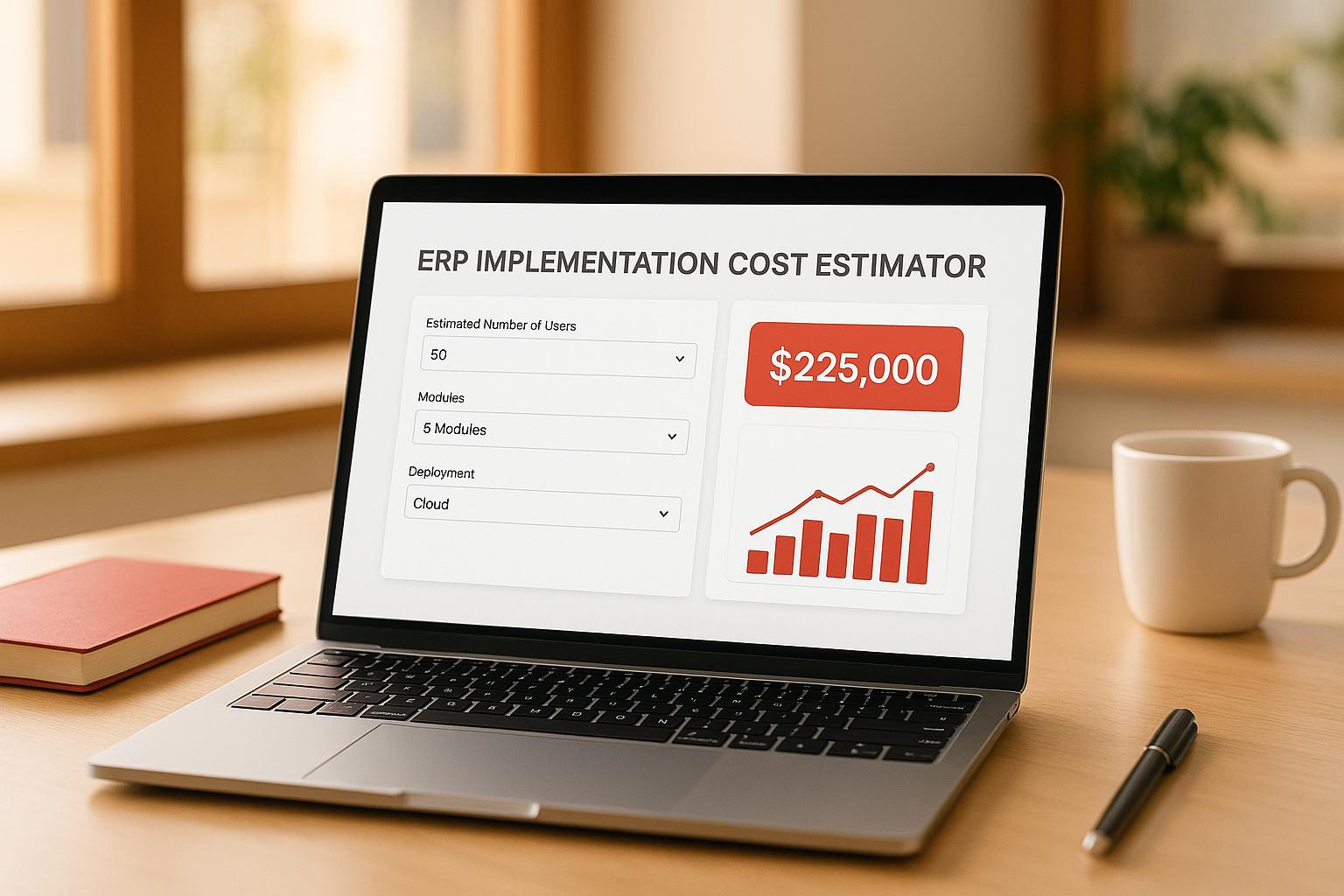
Estimate your ERP implementation cost in minutes! Input company size, modules, and deployment type for a detailed breakdown. Try it free now!
Understanding ERP Implementation Costs for Your Business
When it comes to adopting an Enterprise Resource Planning system, one of the biggest hurdles for businesses is figuring out the financial commitment. The price tag for rolling out such a solution can vary widely, influenced by factors like the scale of your operation, the specific functionalities you need, and whether you opt for a cloud-based or on-site setup. That’s where a reliable cost estimation tool becomes invaluable—it helps demystify the numbers and sets realistic expectations.
Why Budgeting for an ERP System Matters
For small businesses, medium-sized firms, and large corporations alike, planning the budget for business management software is critical. A well-implemented system streamlines operations across departments, from inventory to human resources, but unexpected expenses can derail even the best-laid plans. By getting a clear picture of potential costs upfront, you can make informed decisions, avoid sticker shock, and allocate resources effectively. Beyond the initial setup, consider ongoing expenses like maintenance or subscription fees, especially if you’re leaning toward a hosted solution.
Tailoring the Solution to Your Needs
Every company is unique, and so are its software requirements. Taking the time to assess your needs—whether it’s robust financial tracking or customer relationship tools—ensures you’re not overpaying for features you won’t use. With a thoughtful approach to estimating expenses, you’re better equipped to negotiate with vendors and prioritize what matters most for your growth.
FAQs
How accurate is this ERP cost estimator?
Our tool provides a solid ballpark figure based on industry averages and common pricing structures. We factor in company size, module selection, and deployment type to give you a realistic estimate. That said, actual costs can vary depending on the vendor, customization needs, and additional services like training or support. Think of this as a starting point to guide your budgeting and conversations with ERP providers.
What’s the difference between Cloud and On-Premise ERP costs?
Cloud-based ERP systems typically involve a subscription model, which means ongoing fees but lower upfront costs. We add a 10% adjustment to reflect this recurring expense. On-Premise setups, on the other hand, require a bigger initial investment for hardware and installation—reflected in a 20% cost increase in our tool. Each option has its pros and cons, so consider your business’s long-term needs when deciding.
Can I add more modules later if my needs change?
Absolutely, most ERP systems are modular, so you can start with the basics and scale up as your business grows. Our tool lets you select multiple modules to see how they impact the total cost. Keep in mind that adding modules later might involve integration fees or additional training, which aren’t fully captured in this estimate. It’s always a good idea to discuss scalability with your chosen vendor.


